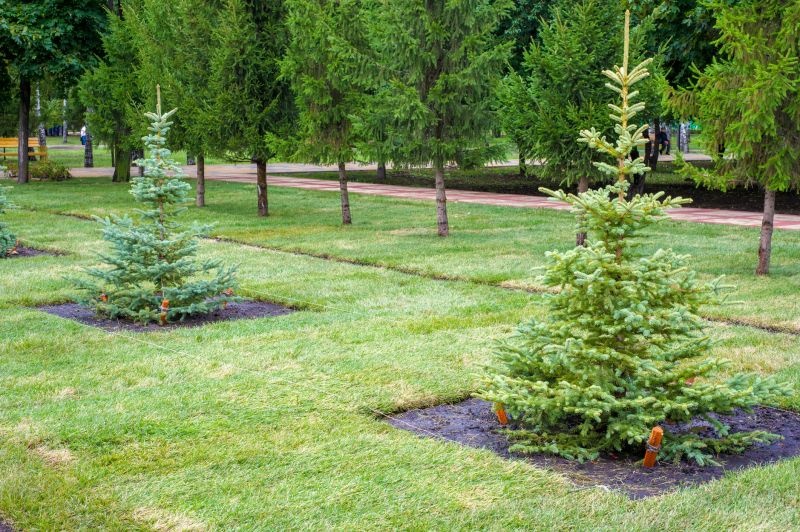
Privacy Trees Planting in Honolulu, HI
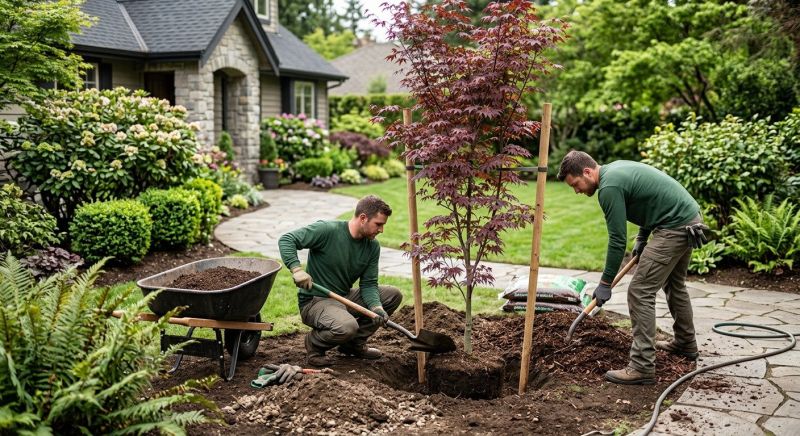
Privacy trees planting services involve selecting and installing trees that enhance privacy and create natural barriers on residential properties. These projects typically include planting evergreen or dense foliage trees along property lines, fences, or specific areas where homeowners desire added seclusion. Property owners often want to understand the types of trees suitable for their climate and landscape, as well as considerations like spacing, mature size, and maintenance requirements to ensure the trees provide effective privacy over time.
Homeowners requesting privacy tree planting usually seek guidance on the best species to block views or wind, as well as how to integrate new trees into existing landscapes. It’s important to consider factors such as soil conditions, sun exposure, and proximity to structures before planning a planting project. Clarifying the desired level of privacy, the purpose of the trees, and any local regulations or restrictions can help ensure the planting aligns with property goals and landscape design.
Many property owners in Honolulu, HI look into Privacy Trees Planting for repairs, replacements, upgrades, and appearance-related improvements.
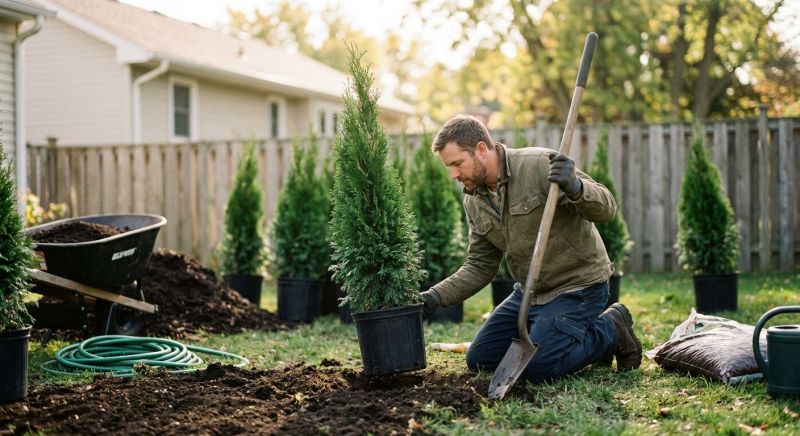
Privacy Tree Selection
Choosing the right trees to enhance privacy and complement your landscape.
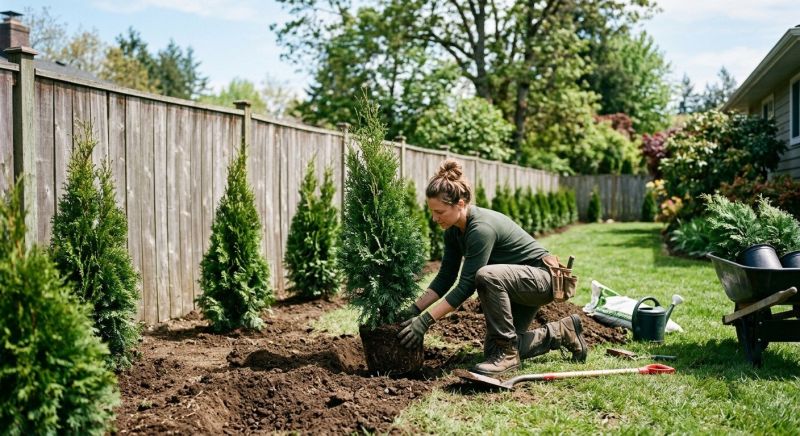
Planting And Maintenance
Professional planting services that ensure healthy growth and long-lasting privacy screens.
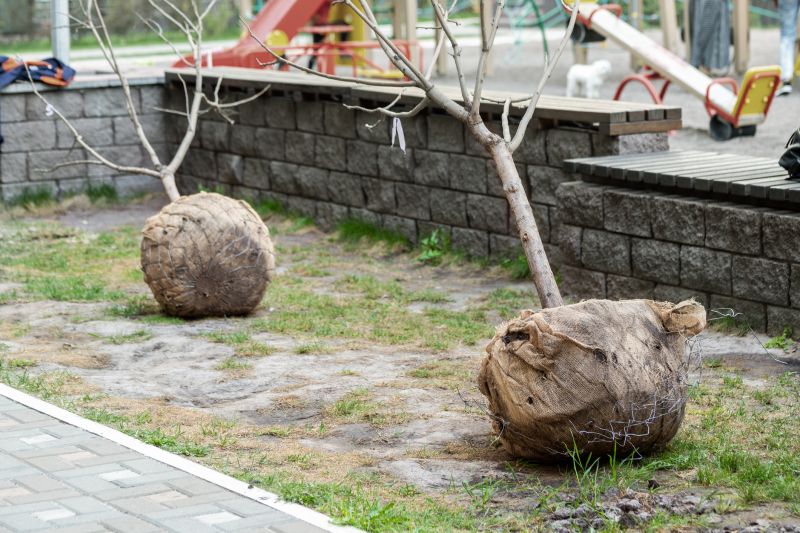
Custom Privacy Solutions
Designing tailored tree layouts to create natural barriers around residential and commercial properties.
Privacy Trees Planting in Honolulu, HI

Privacy trees planting services involve selecting and installing trees that enhance privacy and create natural barriers on residential properties. These projects typically include planting evergreen or dense foliage trees along property lines, fences, or specific areas where homeowners desire added seclusion. Property owners often want to understand the types of trees suitable for their climate and landscape, as well as considerations like spacing, mature size, and maintenance requirements to ensure the trees provide effective privacy over time.
Homeowners requesting privacy tree planting usually seek guidance on the best species to block views or wind, as well as how to integrate new trees into existing landscapes. It’s important to consider factors such as soil conditions, sun exposure, and proximity to structures before planning a planting project. Clarifying the desired level of privacy, the purpose of the trees, and any local regulations or restrictions can help ensure the planting aligns with property goals and landscape design.
Many property owners in Honolulu, HI look into Privacy Trees Planting for repairs, replacements, upgrades, and appearance-related improvements.
Common Privacy Trees Planting Jobs
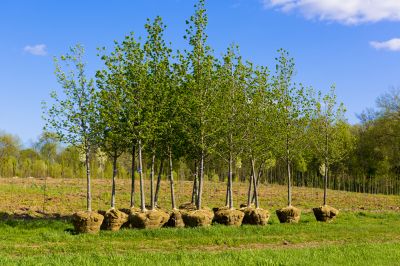
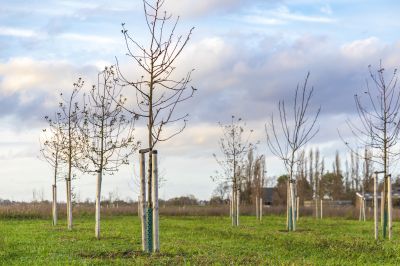
Tree planting - adding privacy and shade to residential properties with new trees.
Native tree planting - selecting suitable native species to enhance local landscapes.
Ornamental tree planting - creating attractive focal points and visual interest on the property.
Tree replacement - removing old or damaged trees and planting healthier alternatives.
Environmental restoration - restoring natural areas with appropriate tree species.
Property enhancement - improving curb appeal through strategic tree placement.
Privacy Trees Planting Questions
What are Privacy Trees? Privacy Trees are strategically planted trees that help create natural screening and reduce visibility into a property.
What types of trees are used for privacy? Common choices include fast-growing species like ficus, hibiscus, and certain palms suited to local climate conditions.
How do Privacy Trees benefit a property? They provide visual privacy, enhance landscape aesthetics, and can serve as windbreaks or noise buffers.
When is the best time to plant Privacy Trees? The optimal planting season depends on the species, but generally, planting in the cooler months supports healthy growth.
Request Privacy Trees Planting in Honolulu, HI
Use the quote form on this page to share the basics of your project and request more information for the type of work you need.